How to Choose the Right Animal Repeller for Your Yard and Garden
There is nothing quite as frustrating as stepping out onto your porch in the morning, only to find your carefully tended flower beds trampled, your garbage cans raided, or your lawn chewed up by uninvited animal visitors. Whether it is neighborhood cats, persistent raccoons, digging gophers, or foraging deer, animal pests can quickly undo months of hard work in your yard. Fortunately, you do not have to resort to harsh chemicals or harmful traps to reclaim your outdoor space. Modern animal repellers offer a humane, highly effective way to keep pests at bay.
Understanding the Options The market offers a wide variety of electronic and mechanical deterrents designed to target specific animal behaviors without causing them permanent harm. Knowing how each type works can help you select the best fit for your property:
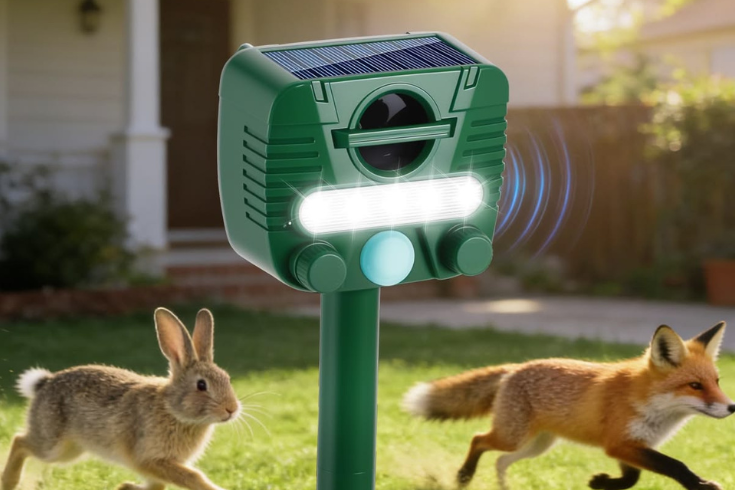
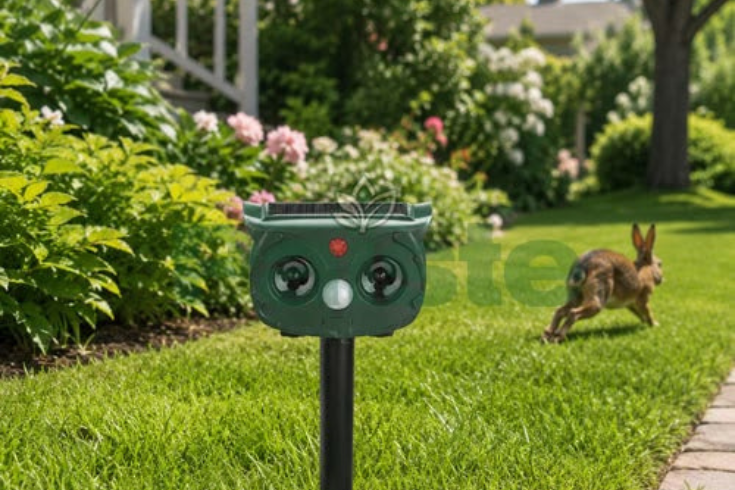
Ultrasonic Repellers: These devices emit high-frequency sound waves that are irritating and startling to pests like dogs, cats, rodents, and raccoons. While humans generally cannot hear these frequencies, they create an intensely uncomfortable environment for animals, forcing them to move elsewhere.
Motion-Activated Sprinklers: Ideal for larger yards and gardens, these water-based deterrents use an infrared sensor to detect movement. When triggered, they release a sudden, startling burst of water combined with a mechanical clicking sound, effectively scaring away deer, rabbits, and stray animals instantly.
Solar-Powered Vibration Spikes: Perfect for subterranean pests like moles and gophers, these stakes are driven directly into the soil. They send low-frequency vibrations and sonic pulses through the ground, mimicking the presence of danger and encouraging burrowing pests to tunnel away from your lawn.
Physical and Scent Barriers: While electronic units require power, passive approaches like motion-activated lights or natural deterrent scents provide an extra layer of defense around trash bins and entry points.
Strategic Placement Matters Even the most advanced animal repeller will fail if it is placed incorrectly. To maximize efficiency, position your devices facing the primary paths that animals use to enter your yard. For ultrasonic models, ensure there are no heavy bushes or solid fences blocking the sound waves, as high-frequency audio cannot easily penetrate dense physical barriers. Additionally, look for weather-resistant and solar-powered models to ensure continuous, maintenance-free operation through rain and shine.
The Humane Advantage Choosing a humane animal deterrent protects more than just your garden—it preserves local wildlife balance. By relying on sensory irritation rather than lethal methods, you can safely train visiting animals to avoid your property altogether. Over a short period of one to two weeks, most persistent pests will learn that your yard is an uncomfortable place to visit, leaving you with a flourishing garden and complete peace of mind.
Recent Blogs